Два барахтающихся в проблемах президента ухватились за возможность продемонстрировать хоть какие-то результаты. Как всегда, все будут недовольны компромиссами.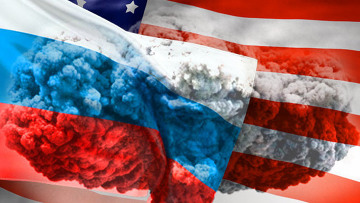 Американская администрация горделиво заявляет, что ей, наконец-то, удалось договориться с русскими по поводу нового договора о сокращении стратегических наступательных вооружений (СНВ), а президент Барак Обама называет его "самым всеобъемлющим соглашением в области контроля вооружений почти за два десятилетия". Подписать его планируется 8 апреля в столице Чехии Праге, где Обама год назад начал свою кампанию за освобождение мира от ядерного оружия, и где предполагалось разместить американскую базу противоракетной обороны. Обама свернул проект размещения ПРО, по крайней мере, временно, чтобы успокоить и смягчить русских.
Несмотря на то, что это единственный проблеск миролюбия со стороны Вашингтона "почти за два десятилетия", американцы отреагировали на этот договор равнодушно или враждебно, поскольку правые сегодня цепляются к любой инициативе Обамы, демонстрируя свое недовольство реформой здравоохранения и прочими либеральными шагами, инициированными американским президентом.
В российской реакции сквозит угрюмая настороженность и враждебность. Официально заявление Обамы приветствовал лишь министр иностранных дел Сергей Лавров, который при этом предупредил США, что Россия сохраняет за собой право выйти из договора, если посчитает, что американская ПРО ей угрожает. Да, Обама немного сдал назад, отказавшись от первоначального плана Буша, который предусматривал развертывание баз США в Чехии и Польше. Но тут вдруг как гром среди ясного неба прозвучали заявления Румынии и Болгарии, которые сообщили, что к 2015 году разместят эти базы у себя. А Польша предложила США развернуть свои войска на другой базе. Какое совпадение. В последнюю минуту в текст соглашения все-таки включили пару слов о ПРО в качестве подачки русским, однако заместитель государственного секретаря по контролю над вооружениями и международной безопасности Эллен Таушер (Ellen Tauscher) тут же поспешила подчеркнуть, что никаких "ограничений" в деле развертывания ракет-перехватчиков не будет.
Новое соглашение придет на смену договору от 1991 года, срок действия которого истек в декабре. Казалось, что никакого соглашения вообще не будет, поскольку в России постоянно усиливается тревога в связи с быстрым развертыванием элементов американской ПРО по всему миру. Очень похоже, что стратегия США/НАТО заключается в запугивании России, а не в обороне от иранских ракет при помощи ПРО. Число развернутых стратегических боезарядов по соглашению будет сокращено на 30 процентов и доведено до 1550 единиц, а количество носителей с каждой стороны будет урезано наполовину до 800 единиц.
Явно делая выпад в сторону сегодняшних и завтрашних обладателей ядерного оружия, российский президент Дмитрий Медведев и Обама напыщенно заявили: "Мы призываем остальные ядерные державы последовать примеру России и Соединенных Штатов и приступить к сокращению своих ядерных арсеналов". Это соглашение, по крайней мере, посылает позитивный сигнал участникам Договора о нераспространении ядерного оружия, который в настоящее время, похоже, дышит на ладан. Оно показывает искренность стремления Обамы избавить мир от ядерных вооружений. Британия и Франция, Иран и Северная Корея, Пакистан и Индия, а больше всех Израиль взяли себе на заметку то, что Россия и США на этот раз идут в ногу. А после недавних терактов в Москве оба лидера могут поставить перед собой общую цель – борьба с неядерным терроризмом, что подтолкнет их к более решительным совместным действиям против других террористических угроз.
Ратифицирует ли договор Сенат (для ратификации нужны две трети голосов) – это вопрос весьма сложный. Сенатор-республиканец Джон Кил (John Kyl) уже написал Обаме, что ратификация будет маловероятна, если в договоре появится хотя бы упоминание об увязке с ПРО. Однако Обама может спрятаться за словами председателя объединенного комитета начальников штабов адмирала Майка Маллена (Mike Mullen), который заявил: "Благодаря сохраненной гибкости этого договора, он усиливает нашу способность делать то, что мы обязаны делать: защищать и оборонять граждан США". Белый Дом пока ничего не сообщил о такой "увязке". Но в любом случае, наш борец за мир Таушер уже дала честное слово, что США по-прежнему смогут опутывать земной шар своими базами.
Также не ясно, ратифицирует ли этот договор российская Дума. Подчеркивая важность перспектив этого соглашения, заместитель председателя комитета Государственной Думы по международным делам Андрей Климов заявил: "Это соглашение очень важно, потому что оно подает пример другим странам". Начальник российского Генерального штаба генерал Николай Макаров также высказался за это соглашение, заявив, что оно "устранит озабоченность обеих сторон и полностью соответствует интересам безопасности России". А Лавров с обычной для себя невозмутимостью, но не без юмора заметил: "Ничто в этом договоре не содержит положений, которые облегчили бы США создание противоракетной обороны, представляющей угрозу для России".
Но хотя Макаров поддержал Медведева в отношении договора, он при этом выступил с предостережением: "Если противоракетная оборона американцев начнет развиваться, то она будет нацелена, прежде всего, на уничтожение нашего ракетно-ядерного потенциала. Тогда баланс сил сместится в пользу США". Это вполне соответствует содержанию февральской резолюции Государственной Думы, пригрозившей провалить ратификацию договора. Вот что говорит по этому поводу председатель комитета Госдумы по международным делам Константин Косачев: "Если при подготовке договора стороны не зафиксируют самым исчерпывающим образом увязку между договором о сокращении стратегических вооружений и противоракетной обороной, то это автоматически создаст проблемы для его последующей ратификации".
Пытаясь поддеть Москву, госсекретарь США Хиллари Клинтон заявила, что Россия и НАТО могут поработать над созданием совместной системы противоракетной обороны. Косачев ответил серьезно. "К сожалению, я не знаю ничего о системе противоракетной обороны НАТО, - раздраженно сказал он, - я многое знаю о противоракетной обороне США, но ничего – о системе ПРО НАТО".
Это важнейшая победа для лауреата Нобелевской премии Обамы, который 12 апреля созывает в Вашингтоне саммит по ядерной безопасности с участием 40 государств. "Появление на вашингтонской конференции без подписанного договора стало бы для Обамы мощным ударом по его репутации", - заявила политолог из Международного института стратегических исследований Оксана Антоненко. Из-за этой угрозы США за последние несколько месяцев пошли на незначительные уступки русским.
Медведеву также надо продемонстрировать что-то в преддверии президентских выборов, которые состоятся в России в 2012 году. Несмотря на дурные предчувствия, Кремль, похоже, сдался и решил, пока не поздно, согласиться на те уступки, которые ему удалось выбить из готового на многое Обамы. По сути дела, это лишь несколько спасающих российскую репутацию слов об "увязке", а также менее назойливый механизм проверок. Нет сомнений в том, что здесь присутствовала именно такая логика, учитывая то, что 73 процента россиян по результатам последних опросов назвали Вашингтон "агрессором, стремящимся установить контроль над всеми странами". Безусловно, российские политические руководители также относятся к этому большинству. А что касается всех нас, то договор этот, по крайней мере, в определенной степени послужит в качестве столь необходимой поддержки и стимула для соглашения о нераспространении.
Сам по себе этот договор не такой уж и значительный шаг вперед. Он не решает основополагающую проблему, связанную с расхождениями в ядерных доктринах США и России. "Мы имеем совершенно иную стратегическую обстановку, существенно отличающуюся от той, в которой велись переговоры по предыдущим соглашениям о контроле вооружений, - говорит президент московского независимого Института стратегических оценок Александр Коновалов, - Америка все меньше и меньше нуждается в ядерном оружии, поскольку она переносит центр усилий на высокоточные обычные виды оружия, как наступательного, так и оборонительного. А Россия все больше зависит от своих сил ядерного сдерживания как основы нашей национальной безопасности".
Российские эксперты в области безопасности с любовью вспоминают, что контроль над вооружениями в период "холодной войны" начался в 1972 году с подписания Договора об ограничении систем противоракетной обороны, который предусматривал отказ от работ по оборонительному оружию. Логика следующих соглашений – ОСВ и СНВ – была такова: поскольку ни одна из сторон никак не сможет защититься от ядерного нападения, то у них нет иного выбора, кроме ведения переговоров о контроле наступательных вооружений. Но президент Джордж Буш радикально изменил эту стратегическую картину, когда в 2001 году в одностороннем порядке вышел из договора по ПРО.
Отвечая на воинственность и агрессивность США, Россия недавно внесла изменения в свою военную доктрину, снизив порог применения ядерного оружия. Как считают эксперты, усиление зависимости от ядерных сил говорит о том, что российские военные могут выступить против дальнейших сокращений, хотя Медведев публично поддержал кампанию Обамы по полному запрещению ядерного оружия.
Проблема русских состоит в том, что им на самом деле не нужна эти дорогостоящая и устаревшая ядерная ноша – разве что для размахивания ракетами перед лицом Америки, то там, то сям совершающей свои военные броски, раздающей угрозы направо и налево, и по собственному усмотрению вторгающейся на территорию других государств. Москва была бы рада избавиться от своего оружия, пусть и по совершенно иным причинам, нежели Пентагон, у которого бездонные карманы доверху набиты долларами и который, как обеспокоенно заявляет Коновалов, деятельно создает более высокоточные игрушки.
Русские опасаются, что этот договор будет расценен как доказательство их слабости, и что это усилит заносчивость и самонадеянность США. "Это чудесно, когда повсюду видишь дружеские рукопожатия, - говорит Петр Романов из РИА "Новости", - но у тех из нас, кто помнит конец эпохи "холодной войны", когда Горбачев шел на уступки в угоду американским интересам, чтобы растопить лед в отношениях, в этой связи возникает чувство тревожного ожидания".
Поскольку премьер-министр Владимир Путин и Медведев начинают предвыборные маневры, пытаясь заручиться поддержкой накануне президентских выборов 2012 года, эта сделка – если ей удастся преодолеть все преграды – может сыграть важную роль для Медведева. Договор этот может просто затеряться в ворохе более насущных проблем, таких как недавние взрывы в московском метро, которые займут первые полосы газет. Но он может также положить начало более тесному сотрудничеству США и России в вопросах неядерного терроризма, если чеченская рана на теле России будет и дальше нагнаиваться.